


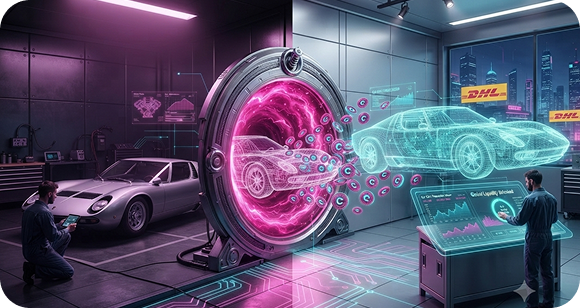
The automotive industry is a multi-trillion dollar powerhouse, yet from a financial perspective, it operates like a relic of the past. While digital assets and equities can be traded globally in milliseconds, buying or selling a vehicle remains a painfully slow, heavily centralized, and highly inefficient process.
For decades, the value of automotive assets has been quite literally locked in the garage. But as the Web3 landscape matures, a permanent solution is emerging: Asset Tokenization.
Here is a look at how converting physical vehicles into digital tokens is dismantling the automotive liquidity crisis and building a modern financial infrastructure for the future.
The Bottleneck: Why Are Cars So Illiquid?
In traditional finance, an asset’s liquidity refers to how quickly it can be converted into cash without affecting its market price. By this definition, vehicles are notoriously illiquid.
The current system suffers from several critical friction points:
- Time-Consuming Transactions:
Selling a car involves intermediaries, endless paperwork, physical inspections, and localized buyer pools. A process that should take minutes often takes weeks. - The “All or Nothing” Barrier:
You cannot sell 10% of a car to free up quick capital. You either own the whole asset or none of it, freezing a massive amount of capital in a single depreciating unit. - Geographic Limitations:
Traditional automotive sales are heavily restricted by physical borders. A buyer in Asia cannot easily or efficiently invest in the value of a classic car sitting in a European garage.
The result? Trillions of dollars in capital remain stagnant, disconnected from the high-velocity modern digital economy.
The Web3 Solution: Tokenizing the Drive
Asset tokenization bridges this massive gap. By utilizing blockchain technology, platforms like CarCoin act as a tokenization engine, converting physical automotive assets into digital tokens—specifically, Non-Fungible Tokens (NFTs).
Instead of a paper title sitting in a filing cabinet, the ownership, history, and financial value of a vehicle are securely recorded on an immutable ledger. This shift completely redefines how we interact with automotive value.
1. Unlocking Global Liquidity
Once a vehicle is tokenized, it can be traded on decentralized, specialized marketplaces. The barrier of geography is removed. A tokenized vehicle asset can be bought, sold, or traded instantly across borders, transforming a highly illiquid physical object into a liquid digital asset.
2. The Power of Fractional Ownership
Tokenization allows a single high-value asset to be divided into thousands of digital shares. This completely democratizes the market. Investors who could never afford a $250,000 luxury or classic vehicle can now purchase a fractional share of that vehicle’s value. This introduces an entirely new wave of retail and institutional capital into the automotive market.
3. The DeFi Automotive Layer
Perhaps the most revolutionary aspect of tokenization is how it integrates with Decentralized Finance (DeFi). When a vehicle’s value is represented by an on-chain token, that token can be used as collateral. Owners can unlock the financial value of their vehicles by securing decentralized loans against their tokenized assets, all without having to sell the physical car or deal with predatory centralized lenders.
The Road Ahead
The digital disconnect between the physical automotive world and the rapidly expanding Web3 economy is closing. We are moving away from centralized dependencies and stepping into a decentralized ecosystem where automotive assets are liquid, accessible, and integrated with global financial tools.
Through smart contracts, extreme market liquidity, and seamless integration with broader digital ecosystems, asset tokenization is not just an upgrade to the automotive industry—it is a complete financial rewiring. The garage is finally unlocked.